Fire Safety: Essential Tips to Protect Your Home and Family
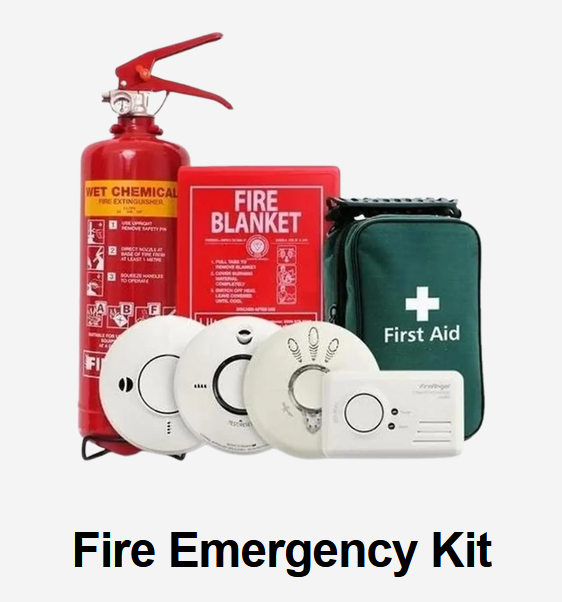
Fire safety is an important part of protecting your home, family, and valuable belongings. A small fire can quickly become dangerous if it is not controlled in time. Fires can start because of cooking accidents, electrical problems, heating equipment, candles, or other everyday household items. Understanding common fire risks and taking preventive measures can help reduce the chances of a fire and keep everyone safer.
One of the most effective ways to prevent a home fire is to practice safe cooking habits. Never leave cooking food unattended, especially when using a gas stove or hot oil. Keep kitchen towels, paper products, and other flammable materials away from heat sources. It is also important to regularly check cooking appliances and make sure they are switched off after use. Keeping a suitable fire extinguisher within easy reach of the kitchen can provide additional protection during an emergency.
Electrical safety is another key part of fire prevention. Damaged wires, overloaded outlets, loose connections, and faulty electrical appliances can create heat and potentially cause fires. Avoid connecting too many devices to a single power outlet or extension board. Replace damaged cords immediately and have electrical problems inspected by a qualified professional. Unplug appliances that are not being used whenever practical, particularly devices that generate significant heat.
Installing smoke alarms throughout your home can provide an early warning when a fire starts. Smoke alarms should be placed in important areas such as bedrooms, hallways, and near living spaces. Test them regularly to make sure they are working properly and replace their batteries or units according to the manufacturer's recommendations. Early detection can give your family valuable time to leave the building safely before smoke and flames spread.
Every household should also have a simple fire escape plan. Identify at least two possible ways to exit each commonly occupied area whenever possible, and make sure doors and windows can be opened easily. Keep hallways, stairways, and exits free from clutter. Families should discuss where they will meet outside the home after escaping. Practicing the escape plan can help children and adults respond more calmly during a real emergency.
Fire extinguishers can be useful for controlling small fires when it is safe to do so. Choose an extinguisher appropriate for the types of fires that could occur in your home and learn how to use it before an emergency happens. However, an extinguisher should never be used if the fire is spreading quickly, producing heavy smoke, or blocking your exit. In such situations, the priority should be getting everyone outside safely and contacting the local emergency services.
It is also important to keep flammable materials away from potential sources of heat. Store items such as cleaning products, fuels, aerosols, and other combustible materials safely and according to their labels. Keep matches, lighters, and similar items out of children's reach. Candles, fireplaces, heaters, and other open or high-heat sources should never be left unattended. Small precautions like these can significantly reduce everyday fire hazards.
Fire safety is ultimately about preparation, prevention, and quick action. Regularly checking electrical equipment, maintaining smoke alarms, practicing an escape plan, and keeping appropriate fire safety equipment available can make your home safer. Most importantly, every member of the household should know what to do if a fire occurs. By making fire safety part of your everyday routine, you can take practical steps toward protecting your home and the people you care about.